PRAY: Lord, I accept you as my Savior and forgive me for my sins in Your Name
Child Sex Abuse Resources
This information is from https://www.cordiscosaile.com/navigating-child-sex-abuse/
*TRIGGER WARNING*
Catholic priests, sports trainers, and public school teachers have all been found guilty of sexually abusing children in the past decade. The trauma of these experiences leaves physical and psychological scars that can permanently change the trajectory of a child’s life.
In recent years, the public has been appalled by reports of sexual abuse in seemingly safe environments, ranging from Olympic training sessions to high school sports teams to Catholic parishes. Parents have become increasingly cautious about where their children go and who they see, frightened by the knowledge that teachers, sports coaches, and trainers have all been accused and convicted of sexually abusing children.
Understanding Child Sex Abuse
Before you can pursue a child sex abuse case, it’s vital that you first understand exactly what the term means. This resource guide for child sex abuse will clarify what constitutes abuse and how you can respond to it.

What Is Child Sex Abuse?
Child sex abuse refers to any sexual activity conducted with a minor. This includes:
- Exposure
- Sexual intercourse
- Fondling or touching
- Masturbation
- Graphic or obscene conversations
Someone who performs one of these acts with a child has committed a serious crime.
How Common Is Child Sex Abuse?
Child sex abuse statistics reveal this type of behavior is frighteningly common. According to the Centers for Disease Control, one in four girls and one in 13 boys in the United States experience sexual abuse during childhood.
The number of children experiencing abuse is likely even higher than these statistics suggest. Among all incidences of sexual violence in the United States, only 21.5 percent of rape or sexual assault victimizations were reported to police in 2021, down from 22.9 percent in 2020.
Where Can Child Sex Abuse Happen?
Child sex abuse usually occurs when an adult holds a position of authority over a child. The abuser uses this power to manipulate the child’s emotions and behaviors when parents are absent.
Cordisco & Saile LLC can seek justice against institutions that have allowed, ignored, or encouraged child sex abuse, including the following:
- Schools
- Churches
- Foster care centers
- Sports leagues
- Youth groups
Within these organizations, teachers, coaches, administrators, clergy members, and troop leaders are potential perpetrators of child sex abuse.
Signs of Child Sex Abuse
Physical indications of abuse may be more readily apparent, but psychological signs are equally as telling. Watch for these common signs of child sex abuse:
- Physical trauma to the genital area, such as bruising or bleeding
- Self-isolation or detachment
- Sudden fear of being apart from a parent or guardian
- Regressing to previously resolved behavior, such as bedwetting
- Reluctance to remove clothing
- Lack of appetite
- Heightened aggression or anger
- Self-harming behaviors, such as cutting
Many of these behaviors are also associated with other types of trauma. Regularly communicate with your child, establish a trusting relationship, and seek therapy to uncover whether child sexual abuse is the source of the problem.

Preventing Child Sex Abuse
The responsibility to protect children from sexual abuse falls to all adults around them, including counselors, teachers, doctors, and parents. You can help protect your child through vigilance and active engagement, including:
- Talking openly in age-appropriate ways about sexual behavior
- Learning about the signs of grooming
- Confirming the institutions your child attends have thorough screening processes for employees
Most importantly, let your child or other children close to you know you can be a safe space for them. Knowing they can discuss uncomfortable behavior they have experienced with you can give them the confidence to come forward and discuss what happened to them.
Long-Term Consequences of Child Sex Abuse
Victims of child sex abuse suffer both immediate trauma and long-lasting psychological and physical effects. Adult survivors of child sex abuse exhibit an array of mental health issues, such as:
- Depression
- Anxiety
- Post-traumatic stress disorder
- Addition and substance abuse
- Disassociation
- Suicidal thoughts
Studies have documented that child sex abuse causes changes to children’s endocrine and immune systems, DNA, and brain development. Girls who are sexually abused might suffer permanent internal damage to their reproductive systems or become pregnant. An abused child might also contract a sexually transmitted disease with lifelong symptoms.
How Common Is Child Sex Abuse?
In addition to overcoming the severe horrors of sexual abuse, many victimized children also become targets for human traffickers who want to sell them as sexual slaves. According to the National Center on Safe Supportive Learning Environments, a history of sexual abuse is one of the primary risk factors for children who become trafficking victims.
Human trafficking rings often seek out vulnerable populations, including children who have experienced sexual abuse. Traffickers lure these children into their grasp by offering protection, love, or understanding. This false sense of security entices a child who feels fearful and alone.
What To Do if You or Someone You Know Has Experienced Child Sexual Abuse
If you or someone close to you has been a victim of child sex abuse, it’s essential to seek assistance from outside organizations. Before you do, have a private conversation with the child to better understand what occurred and who was involved. Remain calm during the discussion, allow the child to speak freely, and clarify they are not to blame.
After your conversation, the next step is to contact the police. Reporting sexual abuse can be frightening and intimidating, so explain to the child the police can protect them from further abuse.
Once the police know the situation, it’s time to contact a knowledgeable and experienced attorney who can guide you as you decide whether to file a civil suit. Child sex abuse attorneys will handle the details of the case with care and compassion, always keeping the victim’s best interests in mind. If you experienced sexual abuse as a child or you suspect a child close to you is being abused, the attorneys at Cordisco & Saile LLC can help you hold abusers and the institutions that enable them accountable. Our Pennsylvania attorneys will approach your case with empathy and understanding, recognizing that pursuing justice in these situations is especially sensitive and challenging.
How Common Is Child Sex Abuse?
Survivors and their families need extensive support to recover from the trauma of sexual abuse. Many organizations specialize in helping victims of child sex abuse, including:
- Rape, Abuse and Incest National Network (RAINN)
- Childhelp
- Enough Abuse Campaign
- Adult Survivors of Child Abuse (ASCA)
- Help for Adult Victims of Child Abuse (HAVOCA)
These groups provide access to crisis hotlines, support networks, educational resources, and mental health treatment providers.
Statute of Limitations for Child Sex Abuse Survivors
In many states, the statute of limitations for a child sex abuse case doesn’t begin until a child reaches adulthood or later.
For example, in Pennsylvania, victims of child sex abuse have until they reach 55 to file a lawsuit. Those who were victims between ages 18 and 24 have until they reach 30 to file suit. However, that law only applies to incidents occurring after December 1, 2019. For child sex abuse that occurred before that date, victims have until they turn 30 to bring their claims.
The statute for criminal charges is age 50, or 32 years past the age of adulthood.
The statute of limitations may differ based on the severity of the sexual act. Some states have no statute of limitations on rape but do limit the time to report an incidence of sexual assault. Contacting a child abuse attorney is the best way to ensure you file your case before the statute of limitations runs out.
Elder Abuse
THIS INFO WAS TAKEN FROM Lanzone Morgan Law Office
https://lanzonemorgan.com/blog/signs-of-nursing-home-abuse/
KEY TAKEAWAY
The most common types of abuse in nursing homes include emotional abuse, physical abuse, sexual abuse, verbal abuse, financial abuse, abandonment, neglect, and self-neglect. You can protect your loved one by recognizing the signs of nursing home abuse, documenting it, and reporting it.
Table of Contents:
Nursing home residents are vulnerable adults who depend on nursing staff to care for their needs. All types of nursing home abuse can cause devastating harm, and no form of abuse is ever excusable. If you or your loved one has suffered from abuse in a California nursing home, call our office immediately at (888) 887-9777, and let us help you protect your loved one and get justice.
Types of Abuse in Nursing Homes
Knowing the warning signs, causes, and effects of the common types of nursing home abuse can ensure your loved one’s nursing home is safe. It can help you identify abuse as soon as it starts so you can protect your loved one from the nightmare of living in an abusive environment and the resulting harm.
Emotional Abuse
Emotional abuse is non-physical conduct toward a nursing home resident meant to cause fear, isolation, humiliation, or other mental suffering. It includes isolation, disparaging comments, and intimidation. Emotional abuse can be cruel. It may include staff using a resident’s needs as a weapon. For example, they may withhold food or refuse to change soiled undergarments to punish, control, or humiliate a resident.
Emotional abuse is rampant in nursing homes because owners fail to invest in staff. Understaffing, inadequate training, and poor working conditions create frustration among staff who lash out at innocent residents.
Although emotional abuse leaves no physical scars, its effects are often noticeable. Your loved one may be experiencing emotional abuse if you notice the following:
- Crying
- Social withdrawal
- Irritability
- Anxiety
- Reduced confidence
- Personality changes
You may also notice new physical symptoms like infections, headaches, and digestive problems. If unaddressed, the stress of emotional abuse can lead to or worsen chronic conditions such as hardening of the arteries and diabetes. Emotional abuse may escalate to physical abuse.
Physical Abuse
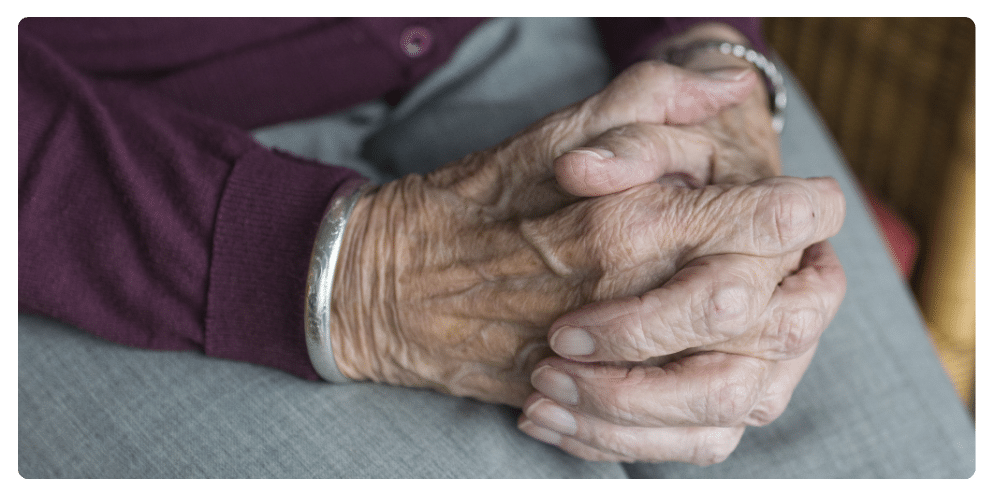
Physical abuse in a nursing home occurs when someone intentionally uses inappropriate physical force to inflict injury or pain on a resident, such as hitting, kicking, using physical restraints, inappropriate medication, withholding essential needs, and rough handling.
Any noticeable physical or behavioral changes in your loved one may point to physical abuse, such as the following:
- Bruises
- Broken bones
- Frequent accidents
- Sleep disturbances
- Post-traumatic stress disorder
- Flinching
- Poor hygiene
- Weight loss
- Dehydration
- Mood changes
Your loved one may not disclose physical abuse, even if you ask directly. They may fear retaliation or not want you to worry. They may blame clumsiness or find other ways to explain away the injuries.
Physical abuse happens for many reasons, none of which excuse it. Staff must often rush through care because of understaffing. They may become frustrated and take it out on residents who require more time. In some cases, other residents perpetrate physical abuse due to understaffing and poor supervision.
Sexual Abuse
Sexual abuse in a nursing home is non-consensual sexual contact. Perpetrators include staff, residents, visitors, and vendors. Due to the uneven power dynamic, any form of sexual contact between staff and residents is inappropriate and may constitute sexual abuse. Residents with dementia or cognitive disabilities generally cannot consent to sexual activity with anyone. Sexual abuse includes the following:
- Rape
- Penetration
- Forced nudity
- Fondling
- Inappropriate touching
- Sexual photography
- Explicit language
- Exposure to sexual media
- Indecent exposure by staff or residents
- Pressure to engage in sexual behavior
Nursing home sexual abuse happens because nursing home providers fail to train staff to recognize, prevent, and stop sexual abuse. Some staff cover it up to protect the nursing home. A study by the Social Care Institute for Excellence found that high staff turnover increases the risk of sexual abuse because nursing homes fail to use a thorough screening process during hiring.
Recognizing the Signs of Sexual Abuse
Many nursing home staff do not believe sexual abuse can happen in their facility. It is even harder to think your loved one could have experienced it. The signs of sexual abuse include the following physical and emotional symptoms:
Physical Signs of Sexual Abuse
- Bruising in the inner thighs, breasts, or genital area
- Unexplained sexually transmitted infection
- Torn or bloody undergarments
- Difficulty urinating or having bowel movements
- New difficulty walking or sitting
- Difficulty swallowing
- Weight loss
Emotional Signs of Sexual Abuse
- Agitation, irritability, sadness, or suicide attempts
- Difficulty concentrating, increase in dementia or cognitive decline
- Withdrawal from social activities
- Anxiety, panic attacks, fear of specific people or places, PTSD
- Changes in eating habits
- Nightmares or insomnia
- Disclosure of sexual abuse
If your loved one has dementia, you may notice a strong fear response or heightened anxiety when the perpetrator is present.
Verbal Abuse
Verbal abuse in a nursing home is a form of emotional abuse that uses words to inflict fear, pain, or other mental harm on a resident. Examples of verbal abuse include belittling, gaslighting, threatening, humiliating, and insulting. It is the most common form of nursing home abuse. It can cause severe emotional distress and physical harm. If your loved one has become withdrawn, depressed, or anxious since entering the nursing home, verbal abuse may be the cause.
Financial Abuse
Elder financial abuse is the improper taking of a resident’s money, property, or other resources for personal gain without consent or through undue influence. It is also known as financial exploitation and may include the following:
- Accessing bank accounts
- Selling real or personal property
- Using your loved one’s credit cards
- Opening credit accounts in your loved one’s name
- Stealing cash or valuables from your loved one’s room
Unscrupulous individuals may learn about your loved one’s assets by gaining their trust and using coercion or manipulation to persuade your loved one to give them their assets or sign a power of attorney. They may forge checks or steal your loved one’s identity. Signs of financial abuse include unexplained withdrawals or charges, new names on your loved one’s accounts, property transfers, and unpaid bills.
The California Elder Abuse and Dependent Adult Civil Protection Act provides heightened accountability for those who commit elder financial abuse. Under the Act, you can collect compensatory damages for financial abuse, including attorney fees and reasonable fees for the services of a conservator, and even seize property.
Abandonment
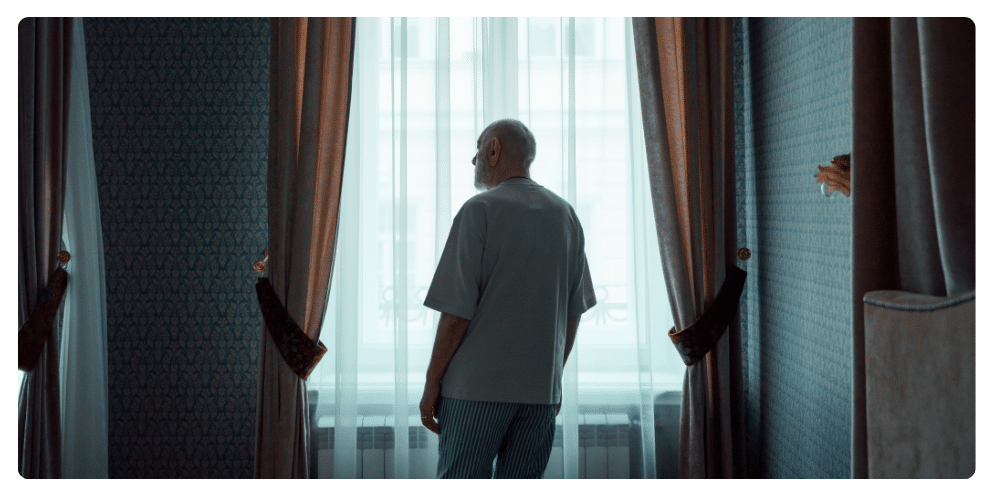
Abandonment is willfully deserting a resident when a reasonable person would have continued providing care. Examples of abandonment in a nursing home include the following:
- Leaving an immobile person in the same position for too long
- Not changing soiled diapers or linens promptly
- Not answering call lights
- Leaving without ensuring someone else is available to continue care
- Not supervising residents with dementia
- Ignoring cries for help
- Leaving residents on the floor after falling
- Failing to notice or respond to medical emergencies
Abandonment is an extreme form of neglect that can leave your loved one vulnerable to severe injury or death. Understaffing, poor staff training, and poor work conditions in nursing homes increase the risk of abandonment. If you notice a faster rate of decline in your loved one’s health, bedsores, or an increase in emergency room admissions, your loved one may be experiencing abandonment. If your loved one has dementia, any wandering or elopement incidents may point to abandonment.
Neglect
Under California law, elder neglect is defined as the negligent failure of any person having the care or custody of an elder or a dependent adult to exercise the degree of care that a reasonable person in a like position would exercise. Understaffing contributes to the high incidence of neglect in nursing homes because nursing staff cannot meet the needs of all residents. Examples of nursing home neglect include the following:
- Lack of hygiene care
- Failure to provide food or assist with feeding
- Failure to supervise
- Medication errors
- Inadequate infection control
- Urinary tract infections
- Failure to provide adequate pressure relief and skin checks to prevent bedsores
Your loved one may be experiencing neglect if they experience weight loss, malnutrition, dehydration, disheveled appearance, bedsores, MRSA, sepsis, choking incidents, or strong fecal or urine odors.
Self-Neglect
Self-neglect occurs when someone stops caring for their own needs. It often occurs as a result of physical disabilities, cognitive decline, or depression. If your loved one is struggling with self-care, the nursing home is responsible for adjusting their care plan to ensure their well-being and prevent further neglect.
Self-neglect may be a symptom of nursing home abuse. The state of chronic stress brought on by abuse may lead to depression or physical conditions that inhibit self-care.
- Did you know?
The California Elder Abuse and Dependent Adult Civil Protection Act gives you the right to sue a nursing home for abuse. You could recover substantial compensation for your loved one’s medical expenses, the cost of transferring to a new facility, pain and suffering, emotional distress, and loss of quality of life. You can also sue for your emotional distress and other losses if nursing home abuse causes the death of your loved one.
Steps To Take If You Suspect Your Loved One Is Experiencing Any Type of Nursing Home Abuse
Nursing home abuse may occur at the hands of anyone who has contact with your loved one, including nursing home staff, other residents, family members, and nursing home contractors. Regardless of who is hurting your loved one, you have the power to take your loved one out of harm’s way. Take the following steps:
- Document the abuse. Write down the reasons for your suspicions and your observations. Include dates, times, and the names of nursing home staff on duty.
- Report the abuse. You can report the abuse to the Long-Term Care Ombudsman in your area and request an investigation. Every nursing home must post this information publicly. You can request to remain anonymous. You can also contact the California Department of Public Health’s district office for your county to get state authorities involved. Finally, contact law enforcement. Elder abuse is a crime.
- Contact an experienced California nursing home abuse lawyer. At Lanzone Morgan, LLP, we are dedicated advocates for elder abuse victims with over 75 years of experience. We can help you report the abuse and provide emotional support, counseling, and legal guidance.
Let Our Nursing Home Abuse Attorneys Help
We are a skilled elder abuse law firm with a primary focus on nursing home and elder abuse cases. We have achieved over $250 million in settlements and verdicts against nursing homes and other entities responsible for elder abuse. Regardless of what type of abuse you or your loved one has suffered, we can help you get justice.
Call (888) 887-9777 today or contact us online for a free consultation.
Experienced professionals dedicated to your success.
